
Shereen Shabnam
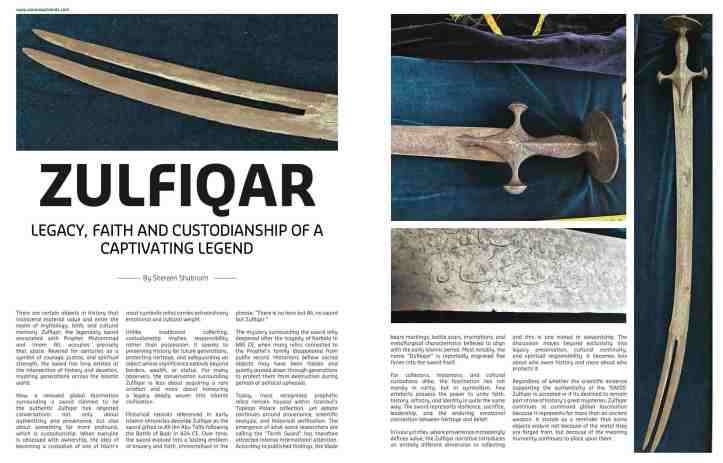
There are certain objects in history that transcend material value and enter the realm of mythology, faith, and cultural memory. Zulfiqar, the legendary sword associated with Prophet Muhammad and Imam Ali, occupies precisely that space. Revered for centuries as a symbol of courage, justice, and spiritual strength, the sword has long existed at the intersection of history and devotion, inspiring generations across the Islamic world.
Now, a renewed global fascination surrounding a sword claimed to be the authentic Zulfiqar has reignited conversations not only about authenticity and provenance, but also about something far more profound, which is custodianship. When everyine is obsessed with ownership, the idea of becoming a custodian of one of Islam’s most symbolic relics carries extraordinary emotional and cultural weight.
Unlike traditional collecting, custodianship implies responsibility rather than possession. It speaks to preserving history for future generations, protecting heritage, and safeguarding an object whose significance extends beyond borders, wealth, or status. For many observers, the conversation surrounding Zulfiqar is less about acquiring a rare artefact and more about honouring a legacy deeply woven into Islamic civilisation.

Historical records referenced in early Islamic chronicles describe Zulfiqar as the sword gifted to Ali ibn Abu Talib following the Battle of Badr in 624 CE. Over time, the sword evolved into a lasting emblem of bravery and faith, immortalised in the phrase: “There is no hero but Ali, no sword but Zulfiqar.”
The mystery surrounding the sword only deepened after the tragedy of Karbala in 680 CE, when many relics connected to the Prophet’s family disappeared from public record. Historians believe sacred objects may have been hidden and quietly passed down through generations to protect them from destruction during periods of political upheaval.
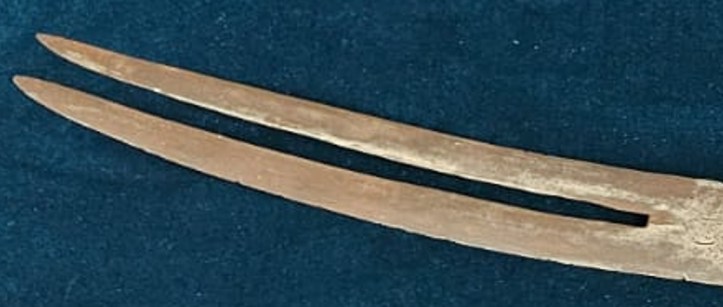
Today, most recognised prophetic relics remain housed within Istanbul’s Topkapi Palace collection, yet debate continues around provenance, scientific analysis, and historical verification. The emergence of what some researchers are calling the “Tenth Sword” has therefore attracted intense international attention. According to published findings, the blade bears markings, battle scars, inscriptions, and metallurgical characteristics believed to align with the early Islamic period. Most notably, the name “Dulfaqar” is reportedly engraved five times into the sword itself.
For collectors, historians, and cultural custodians alike, the fascination lies not merely in rarity, but in symbolism. Few artefacts possess the power to unite faith, history, artistry, and identity in quite the same way. The sword represents resilience, sacrifice, leadership, and the enduring emotional connection between heritage and belief.
In luxury circles, where provenance increasingly defines value, the Zulfiqar narrative introduces an entirely different dimension to collecting and this is one rooted in stewardship. The discussion moves beyond exclusivity into legacy preservation, cultural continuity, and spiritual responsibility. It becomes less about who owns history and more about who protects it.
Regardless of whether the scientific evidence supporting the authenticity of the ‘SWISS’ Zulfiqar is accepted or if its destined to remain part of one of history’s great mysteries, Zulfiqar continues to command global fascination because it represents far more than an ancient weapon. It stands as a reminder that some objects endure not because of the metal they are forged from, but because of the meaning humanity continues to place upon them.

